

Learn more about our GambleAware service: Meet the Team and hear the impact they make in others’ lives
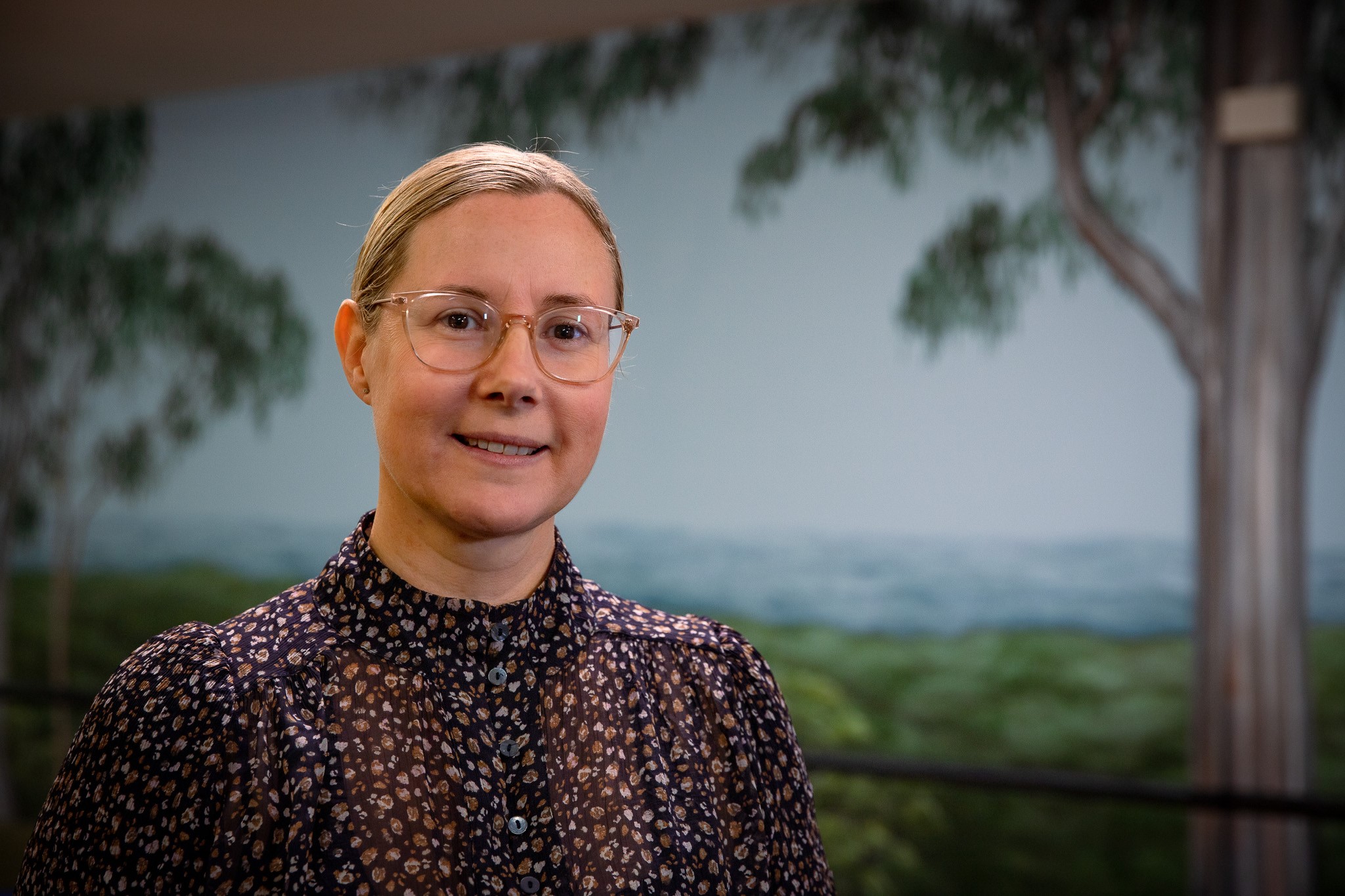
Tammy Mitchell is the Gamble Aware Team Leader at CatholicCare Social Services Hunter Manning. She is passionate about raising awareness about gambling harm and supporting people who are impacted by it. From October 19 to 25 it’s GambleAware week and this year's theme, "Now we see it. Let's talk about it.", focuses on reducing the stigma associated with gambling harm by making an often-hidden issue more visible and encouraging open conversations. The campaign encourages people to talk with their loved ones about gambling harm and visit the GambleAware website for information, practical tools and support services. This GambleAware week, we had a chat with Tammy to learn more about this important community service.

Can you give us some insight into a day in the life of a Gambling Counsellor?
No two days are the same, but every day is about people and that's one of the things I love most about the role.
A morning might start with a first session with someone who has finally picked up the phone after months, sometimes years, of carrying the weight of their gambling alone. Often the first thing we see is relief: someone is finally listening without judgement. Other sessions are with people who have been on their recovery journey for months or even years.
From there, the day could take us anywhere. We might sit with a client face-to-face, then jump on a video call with someone in a rural town who can't easily get to an office. We might meet with a worried partner or parent who doesn't gamble at all but is living with the fallout.
Some sessions focus on practical tools, like identifying triggers, setting up self-exclusion or putting "roadblocks" in place to slow down the urge to gamble. Others go deeper. Many of our clients are also dealing with financial stress, relationship difficulties, mental health concerns, trauma, grief or loneliness, so we look at the whole person rather than focusing only on the gambling. Together we set goals that feel achievable and meaningful to them.
In between, there's teamwork: talking with our financial counsellors about a client facing debt, joining case discussions, or preparing for a community workshop.
Change doesn't happen overnight, and our job isn't to tell people what to do. The client is the expert in their own life and we're there to walk alongside them, help them recognise their strengths and support them to make changes at their own pace. It's incredibly rewarding to see someone begin to feel more hopeful and realise that things can be different.
Tell us about the CatholicCare Gambling Counselling team.
GambleAware Hunter New England is a free and confidential service for people who gamble and for their families and friends. It is funded by the NSW Office of Responsible Gambling and delivered by CatholicCare Social Services Hunter-Manning.
We support people right across the Hunter New England region, from Newcastle and Lake Macquarie through Maitland, the Upper Hunter and the Manning. We work from Mayfield, Charlestown and Muswellbrook and offer face-to-face, phone/telehealth and video sessions, so distance is never a barrier.
We're a small, passionate team of six people across several roles that work closely together:
- Gambling Counsellors: provide a safe, non-judgemental space and evidence-based counselling for people who gamble and for their loved ones.
- Care Coordinator: provide case management, brief intervention and help with self-exclusion, connect people with other services and
- Community Engagement: raise awareness of gambling harm in the community.
- Financial Counsellors: help people get on top of debt, build financial skills and advocate with creditors.
The team is led by myself alongside counsellors Libby Ferfoglia, Naomi Wheeler (Gambling Counsellor & Care Coordinator) and Leonie Kleiner (Gambling Counsellor and Community Engagement Coordinator), and financial counsellors Liz Wilson and Katie McVie. As Team Leader, I work directly with clients while also supporting the team and building connections with other services and community organisations. Between us we bring backgrounds in counselling, social work, psychology, banking and crisis support, plus lived experience of how gambling affects families.
Our work extends beyond individual sessions. We run SMART Recovery groups and deliver gambling awareness, financial literacy and parent and carer workshops. We also offer tailored support for Aboriginal and Torres Strait Islander people and for people who speak languages other than English.
What makes our team special is the way we work together. Gambling harm rarely affects just one part of a person's life, so having different professional perspectives means we can look at the bigger picture and support people's emotional, financial and practical needs.
Tell us about the impact you see in your clients who benefit from your services.
Gambling harm can bring an enormous amount of shame and secrecy. Many people come to us feeling overwhelmed, isolated or like they've let their family down and reaching out is sometimes the first time they've spoken openly about what's happening. Being a place where they feel safe and not judged is a really important first step.
The change we see often starts small and it isn't always about someone stopping gambling overnight. A client comes back for a second session, a family member tells us they feel less alone, someone sets up self-exclusion for the first time. Those first steps take real courage and they matter.
Over time, we see people regain control. Clients who once thought about gambling every day tell us they have space in their heads again. People who were hiding debts and dodging calls work through a plan with our financial counsellors and start to breathe easier. Relationships strained by secrecy and broken trust begin to heal and family members learn how to set boundaries and support a loved one while also looking after themselves. When gambling harm is reduced, children, partners and whole families benefit.
What makes the difference is the whole-of-person approach. Having counselling, financial support, care coordination and peer support under one roof means people don't have to tell their story over and over or work out the system on their own.
When "Mark"* first called GambleAware, he had been hiding his gambling from his wife for nearly two years. What started as a few bets on the footy had turned into late nights on betting apps, a maxed-out credit card and a personal loan she didn't know about. He told our care coordinator he felt "stuck and ashamed," and he almost hung up before booking an appointment.
In his first few sessions, Mark's counsellor helped him understand what was driving his gambling. Work stress and a recent loss in the family had left him using betting as an escape. Together they put practical roadblocks in place: Mark deleted his apps, signed up to BetStop and handed day-to-day control of his cards to someone he trusted. At the same time, one of our financial counsellors helped him map out his debts and negotiate hardship arrangements with his lenders. For the first time in months, he could see a way through.
The hardest step was telling his wife. With support from the team, they came to a joint session and she was later linked in with support of her own. Mark also started attending a weekly SMART Recovery meeting, where he found it helped to hear from others in the same situation.
Six months on, Mark hasn't gambled. His debts are on a repayment plan and he says the biggest change is that he no longer has to carry the secret. "I didn't think anyone could help me," he says. "I just wish I'd called sooner."
*Name and details have been changed to protect privacy.
For me, making a difference is about helping people see they are more than their gambling or the mistakes they feel they've made. We can't change someone's past, but we can help them find a way forward and being part of that journey is what makes this work so meaningful.
And the most important message for anyone reading: you don't have to gamble to reach out and you don't need to be in crisis. GambleAware is free and confidential. Call 1800 497 065 or email gambleaware@catholiccare.org.au.